Zomato Delivery Partner Earnings Rise to ₹102 Per Hour, Says CEO Deepinder Goyal

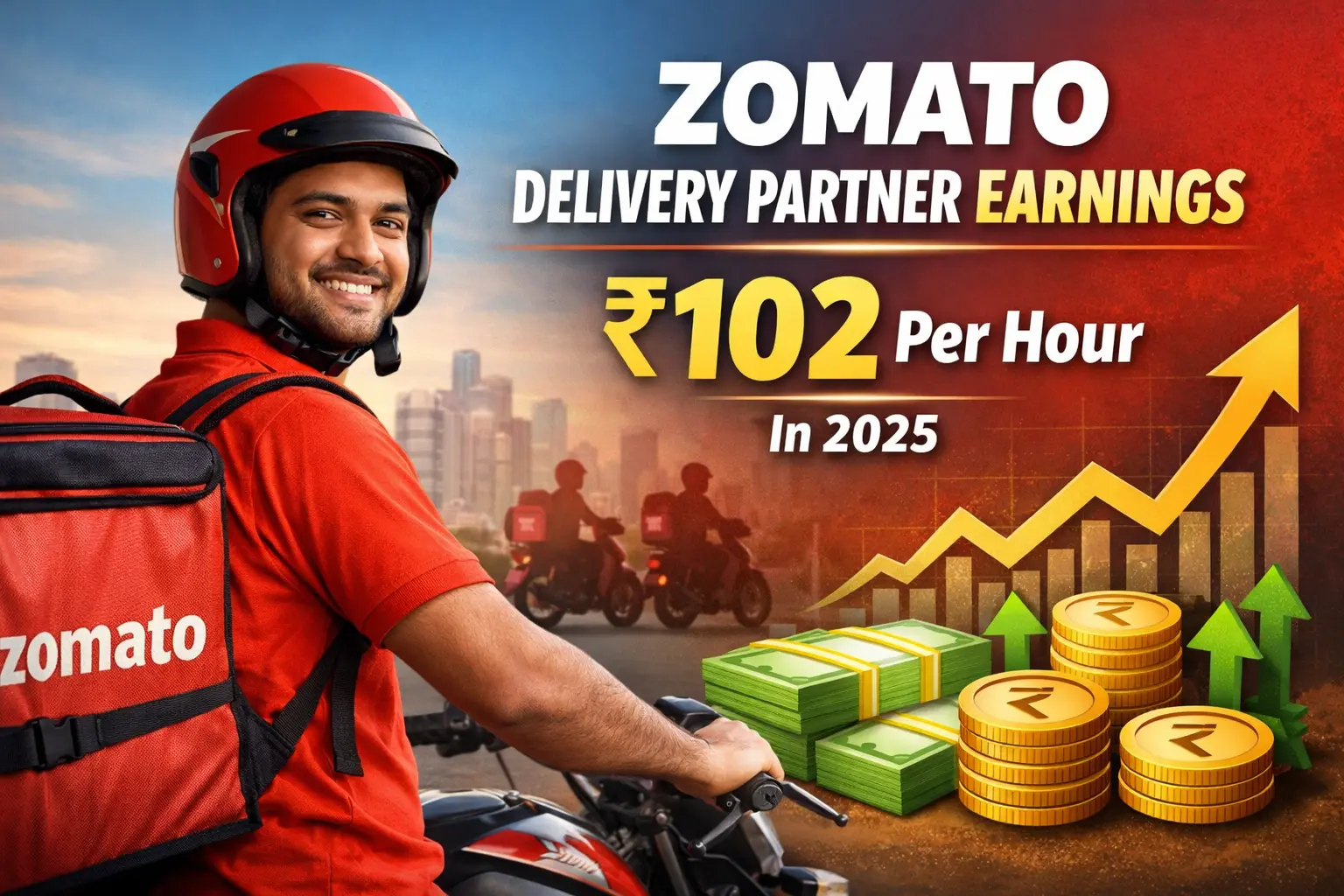
In a recent announcement, Zomato CEO Deepinder Goyal revealed that the average Zomato delivery partner earnings have climbed to ₹102 per hour in 2025, up from ₹92 in 2024. The data, based on internal metrics, was shared to counter rising criticism about low pay and challenging working conditions faced by gig delivery workers. Learn more in Blinkit 10-minute delivery.
Understanding the ₹102 Per Hour Claim
According to Goyal, the ₹102 figure is calculated as an average across all active hours, including waiting periods between orders. It does not include tips, which partners retain entirely. Zomato also reported a modest rise in tips per hour, from ₹2.4 in 2024 to ₹2.6 in 2025. These tips are transferred instantly, with Zomato covering payment gateway fees to ensure partners receive the full amount.
For a delivery partner working ten hours a day across 26 days, this would translate to a gross monthly income of around ₹26,500. After accounting for fuel and maintenance costs—usually about 20 percent—the take-home pay stands near ₹21,000. While this looks reasonable on paper, real earnings vary significantly by location, demand, and how consistently a partner works.
Rising Tensions Over Gig Worker Pay
Goyal’s post arrives at a time when gig workers across India have been voicing growing frustration. In December 2025, delivery partners from platforms like Swiggy, Blinkit, Zepto, and Flipkart joined together to demand better pay and benefits. Many argue that the so-called “average earnings” do not represent the financial reality of those depending on these jobs full-time.
Union leaders also highlight the lack of paid leave, health coverage, and social security that traditional employees enjoy. They contend that the gig model transfers too much risk to workers while companies continue to profit from their flexibility.
Flexibility or Fragility?
Defending Zomato’s position, Goyal reiterated that the gig model is designed for flexibility, not rigid employment. Partners can choose when and where they wish to work, giving them control over their schedules. This flexibility, he noted, is a key reason many choose gig work in the first place.
Supporters of the gig economy argue that such arrangements provide much-needed income opportunities for students, homemakers, and part-time workers. However, critics believe that flexibility should not come at the cost of fair pay or safety. Striking the right balance remains a major policy challenge in India’s expanding platform economy.
What the Public Thinks
Public response to Goyal’s claim has been mixed. Some applaud Zomato’s transparency and argue that the ₹102 figure shows progress. Others accuse the company of selectively reporting data to downplay ongoing worker distress. Social media discussions reflect this divide, with calls for both regulatory oversight and corporate accountability.
The Broader Gig Economy Context
India’s gig economy continues to grow rapidly, expected to employ more than 23 million workers by 2030. Food delivery, e-commerce logistics, and quick commerce are among the fastest-expanding sectors. As these industries mature, the question remains: how can platforms ensure that growth benefits workers as much as it does consumers and investors?
For now, Zomato delivery partner earnings remain a symbol of this broader debate. Whether ₹102 per hour represents progress or a partial picture depends on how fairly and transparently the gig ecosystem evolves from here.
For more updates on India’s business and startup landscape, explore related articles on GeeksGrow.