India 30 Percent Tariff on U.S. Pulse Crops Hits Farmers

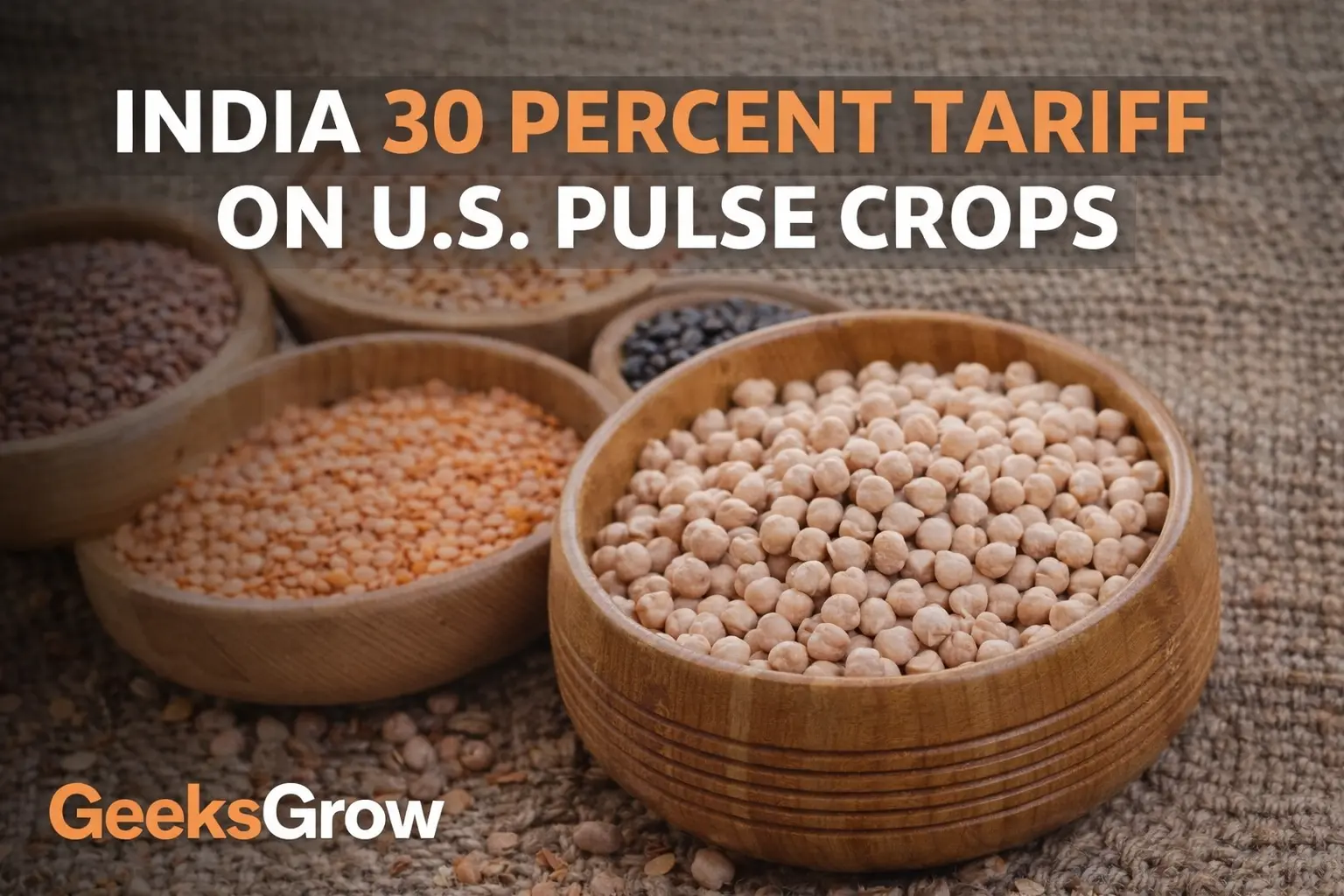
India tariff on U.S. pulse crops has stirred global trade discussions, creating new challenges for farmers and exporters on both sides. The move, which adds a 30 percent import duty on pulses such as peas, beans, and lentils, has raised concerns about economic ripples in the already fragile agricultural market.
Why India Imposed the Tariff
The Indian government’s decision is primarily aimed at protecting domestic pulse producers who have faced falling prices due to high imports. India, being one of the largest consumers of pulses in the world, relies heavily on imports to meet local demand. By introducing this tariff, the government intends to stabilize domestic prices and support local farmers who have been struggling with low profit margins.
Impact on U.S. Farmers
For the U.S. agricultural sector, the new tariff could be a heavy blow. America exports a significant volume of pulses to India, especially lentils and peas. With the new 30 percent levy, these products become less competitive compared to those from Canada, Australia, or Russia. Farmers in states such as Montana and North Dakota may face lower export revenues and reduced planting incentives for upcoming seasons.
Potential Shifts in Global Trade Flows
The tariff could push the U.S. to seek new buyers in Africa and the Middle East while India diversifies its import sources. Canada, already a key pulse supplier to India, might see an uptick in export volumes. Meanwhile, global pulse prices could fluctuate as supply chains adjust to the new trade dynamics.
What It Means for Consumers
In the short term, Indian consumers might see moderate price increases for imported pulses. However, if domestic production meets expectations, local prices could eventually stabilize. For U.S. consumers, the impact will be indirect, primarily through reduced farm income and potential shifts in crop diversification strategies.
The Bigger Picture: Trade and Diplomacy
Economists believe this tariff is also a signal within broader trade negotiations between India and the U.S. It underscores India’s intent to balance protectionism with food security. While the U.S. Department of Agriculture may seek discussions to ease the tariff burden, the short-term reality is clear that American pulse exporters must adapt to a new trade environment.
Conclusion for India tariff on U.S. pulse crops
India’s 30 percent tariff on U.S. pulse crops could mark a turning point in agri-trade relations between the two nations. While India aims to protect its farmers, the move exposes vulnerabilities in global food supply chains and forces both nations to reconsider their agricultural strategies for the future.