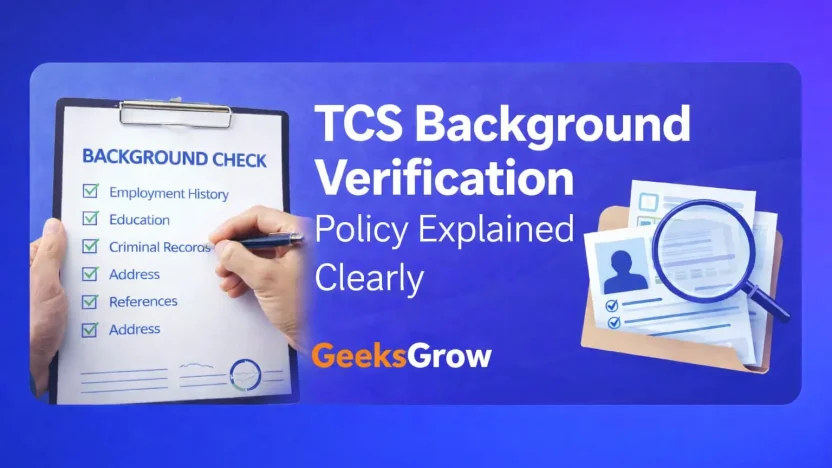
TCS background verification is a crucial step in the company’s hiring process, designed to confirm the authenticity of every new employee’s credentials. For candidates, understanding this process is essential because even minor discrepancies can lead to delays or, in rare cases, termination soon after joining. This article breaks down how TCS verifies backgrounds, what could lead to a negative report, and how to avoid such issues.
What TCS Background Verification Includes
When a candidate joins TCS, the HR department initiates a background check through an external verification partner. This process usually covers:
- Employment history verification, including previous roles and tenure
- Educational qualifications cross-checked with universities
- Criminal record checks through authorized agencies
- Identity validation using government databases
- Address and reference verification
The process ensures that the information provided by the candidate is both accurate and verifiable. According to TCS’s official recruitment terms, all offers are conditional upon the successful completion of these checks. Candidates can review the official TCS Careers Policy for exact hiring and verification clauses.
Why Background Verification Might Fail
A background verification failure typically means that the data shared during recruitment does not match the verified records. Common reasons include:
- Incorrect or incomplete employment details from past companies
- Fake or unverifiable degree certificates
- Discrepancies in job titles or duration
- Unresolved issues or incomplete resignations from previous employers
In such cases, TCS usually contacts the employee to clarify discrepancies before making a final decision. However, serious inconsistencies can lead to immediate termination, as per company policy.
How Candidates Can Avoid BGV Issues
To prevent background verification problems, candidates should ensure that all documents are legitimate and consistent across employers. It’s important to:
- Keep copies of experience and relieving letters from all past jobs
- Verify that university credentials can be authenticated online
- Be transparent about career gaps or short tenures
- Regularly update government-linked identity documents
Transparency helps HR teams process background checks smoothly and builds long-term trust between employee and employer.
What Happens After a Negative Report
If a background check returns negative, TCS HR contacts the employee directly. Depending on the severity of the issue, the company may allow time for clarification or request resignation. This strict policy is designed to maintain compliance with data protection and regulatory frameworks, ensuring integrity in hiring.
Conclusion
TCS background verification is not just a procedural formality. It safeguards both the organization and its employees by promoting honesty and transparency. For job seekers, accuracy in documentation is the best way to ensure a smooth hiring experience and long-term professional credibility.