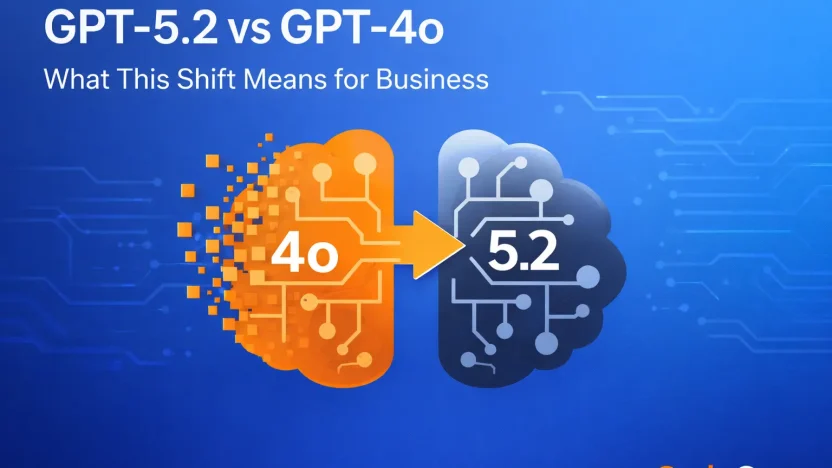
OpenAI is officially retiring GPT-4o on February 13, 2026. And GPT-5.2 will become the default model.
At first glance, this feels like a routine upgrade. New version. Better performance. Faster responses.
But here’s the thing. When the default AI model changes, the internet changes with it.
If your workflows, SaaS product, or content systems rely on GPT-4o, this shift is bigger than it looks.
Why OpenAI Is Retiring GPT-4o
GPT-4o was built for multimodal efficiency. Text, image reasoning, real-time responsiveness. It raised the bar.
But AI cycles now move fast. Version upgrades are not cosmetic. They’re strategic infrastructure decisions.
Retiring GPT-4o signals consolidation, improved reasoning architecture, and performance optimization.
What GPT-5.2 Likely Improves
- More stable reasoning outputs
- Expanded context memory
- Reduced hallucinations
- Cleaner structured responses
- Improved multimodal reliability
For agencies and startups, this means fewer patch prompts and more predictable outputs.
Hidden Business Impact
When GPT-4 replaced GPT-3.5, tools rebuilt features and agencies repositioned offers. Expect a similar recalibration.
Prompt libraries will need testing. AI workflows may require refinement. Latency and tone profiles can shift subtly.
Small changes create large ripple effects.
SEO & Competitive Implications
If GPT-5.2 improves reasoning quality, AI-generated content quality rises across the web.
That means competition intensifies. The advantage moves from model access to workflow strategy.
Our Take at GeeksGrow
Every major model shift creates short-term confusion and long-term opportunity.
The companies that benchmark early and refine systems quickly will capture disproportionate gains.
Model upgrades reset expectations. Strategy determines who benefits.
If you depend on GPT-4o, begin testing alternatives now. Waiting until February is reactive. Preparation is leverage.